

- cross-posted to:
- world@lemmy.world
- cross-posted to:
- world@lemmy.world
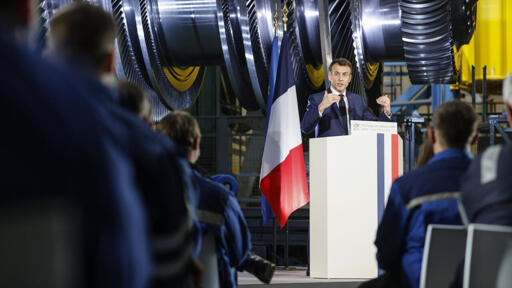
After years of wrangling, France has set out a new energy law that slashes its wind and solar power targets and drops a mandate for state-run energy provider EDF to shut down nuclear plants.
It’s more like “A decade”, and i’ll explain, because it’s actually much less nice than these infographics show.
So, doing the maths for you: 1 Wp ~ 0.85 kWh over a year. So 10 gWp ~ 8.5 gWh per year. But they only produce about 3% of that in winter, so about 255mWh in januari or december. That boils down to about 1/8th of a nuclear reactor. So, in reality it takes it takes at least 8 years to match one nuclear reactors, assuming you like keeping the lights on during winter.
But it gets worse, because they produce that power over about 8 hours (being generous) and don’t do anything during the other 16. So on top of literally an entire nation’s worth of solar panel growth you need to also STORE that power for at least 16 hours. Thankfully, Germany also added about 7.3 gWh in 2025, which is enough to cover that with (some) room to spare.
You could, of course, build two reactors at the same though. You can’t really double a country’s solar growth. And nuclear plants have MUCH longer lifespans than solar panels and especially batteries.
Tell me, how much nuclear waste is there actually? Like, take a guess how much waste that takes centuries is actually produced per, I dunno, human-lifetime-of-power.
One nuclear reactor every eight years? Still better than any current reactor project to date. Where is your argument?
I mean, building a nuclear power plant where none operates at the moment (Germany) would also be an entire nation’s worth of nuclear growth. What sort of argument is that supposed to be. Add solar or add nuclear, duh?
As for the storage: companies are even building long term battery storages without subsidies because it’s worth it on an economical scale to buy the overproduction during peak hours. Show me a nuclear project without subsidies.
Sure, but over these lifespans maintenance and eventually disposal is a massive cost factor which is one of the reason the overall cost calculation is so negative and requires massive subsidies.
Too much, because at least here in Germany, nobody wants to store it permanently. So better don’t produce any waste at all. It’s funny that this argument “It’s so little waste” always comes up but completely fails the reality check.