I don’t know how I feel about this. Generally though I think I’m against it even if rich people do abuse whatever. What am I saying I’m definitely against this. They chose to use money, they chose to allow things to cost a lot more than 10,000 pounds but we can’t pay with more than 10,000 pounds? Why? So we go through their Banks and bullshit. It’s about control I presume.
Under the new rules, businesses and professionals selling goods or services will no longer be allowed to accept or make cash payments of €10,000 or more.
This doesn’t apply to private transactions, by the way.
Off the top of my head, I can’t think of a single example of a legitimate legal business that would be done using cash in that amount.
So while there’s definitely a danger of the rules being tightened over time, this specific change here doesn’t raise my concern too much.
What bothers me more is the utter lack of any effective measure against the true problem in tax fraud – those who do it at a truly large scale still get away without any punishment or control, and in fact sit at the table when the tax laws are written.
Nobody wants to see oligarchs getting away with cheating tax laws by handing over briefcases of cash, but if this new law does not affect private transactions that wouldn’t even affect this.
I wonder what supposed ill this is supposed to cure do we know of any examples of businesses that have cheated taxes or whatever else by paying in cash?
I have known of more than one person that has paid for a house in cash and it was a smart move for them, by the time you get done with the mortgage you might end up paying 4 times more.
what supposed ill this is supposed to cure do we know of any examples of businesses that have cheated taxes or whatever else by paying in cash?
Come on. It happens everywhere, particulary in sales of services.
Restaurants not making receipts for a dinner avoid the value added sales tax and company tax. Nobody will notice the food missing.
The cleaner who takes cash doesn’t pay income tax and can underbid the professionals. Nobody will notice that the cleaning has been done.
These might be small amount transactions, but once the pizza restaurant has 100 orders of €100 they have €10k.
Now how are they going to deposit or spend that without questions? They can of course use the cash to pay the cleaner a few times, but the stack of cash is going to increase. So they hire a carpenter to redo the floor. This costs more than €10k, and they pay him in cash. But then what’s the carpenter going to do with the money if he can’t spend it on a new car? He sure isn’t going to eat pizza for €10k monthly. Maybe he can buy drugs illegally, but then the pusher has the problem with the stacks of cash.
By making larger cash amounts illegal it will put a limit on how much cash somebody even wants to accept as payment, even if they’re okay with doing tax evasion and other crimes.
The small stuff transactions will still happen, but the amounts are going to be kept beneath the threshold of what people can actually use legally.
This will make it a lot more difficult for the pusher to launder the money.
The money laundering criminals can no longer make a fake receipt for a €100k grand piano. Now they have to make 10 receipts for €10k upright pianos and at some point somebody is going to question where all those pianos are.
Hundreds of thousands of dollars in $100 bills, I’ve Been Told is actually very bulky.
Now I do not know about that because I’ve never had that kind of money not even fucking close. Sadly.
But it has been Illustrated on some TVs and movies like Burn Notice. Not that I am advocating for that show I’m just saying they made that point on there it’s bulky when you get into large numbers.
You’ve been told correctly, or at least correctly enough that it won’t fit in a pocket. The attached pic is a bundle of 1,000 notes correctly packaged (assuming Canadian, since you said dollars and are on a .ca instance, but it’s similar for most currencies). One of those bundles in 100 dollar notes is, of course, $100,000, so presumably it’s some number between one and ten of those bundles
car sales in germany traditionally have all or at least a large part of the sum paid in cash if not financed. at least a few years ago that was the case, no idea about now.
Finally, a EU law designed to fight against Germany’s fossil fuel addiction. Because I guarantee we will buy no new cars before we embrace cashless transactions.
People who have lived through numerous economic crashes and bank closings. In Eastern Europe, cash in EUR and USD has good reputation, despite efforts by governments to bully people out of paying with cash altogether.
Mostly people who are ‘investing’ in houses. For instance it is legal to use profits from the sale of property to buy more property and not pay taxes on that income as long as it’s done within the same calendar year in most US states.
Depends on where you buy a house. There are many rural houses and small apartments in tower blocks. And why a suitcase? You probably have a few dozen low-value banknotes lying around at home, stack them together and see they don’t take up much space (high-value banknotes aren’t thicker).
It’s not about credit vs buying outright, it’s about banning the use of actual banknotes for large transactions. That’s a popular way to launder money and hide income for tax evasion.
Wero & a true digital € would mitigate this a bit, tho not sure if the same restriction would apply to offline digital € payments.
But yeah, anyway, basic banking accounts & payment systems are core infrastructure, as such imho shouldn’t be (only) privatised, ECB should provide the service.


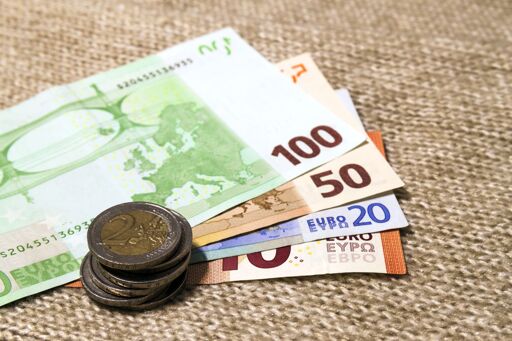
I don’t know how I feel about this. Generally though I think I’m against it even if rich people do abuse whatever. What am I saying I’m definitely against this. They chose to use money, they chose to allow things to cost a lot more than 10,000 pounds but we can’t pay with more than 10,000 pounds? Why? So we go through their Banks and bullshit. It’s about control I presume.
This doesn’t apply to private transactions, by the way.
Off the top of my head, I can’t think of a single example of a legitimate legal business that would be done using cash in that amount.
So while there’s definitely a danger of the rules being tightened over time, this specific change here doesn’t raise my concern too much.
What bothers me more is the utter lack of any effective measure against the true problem in tax fraud – those who do it at a truly large scale still get away without any punishment or control, and in fact sit at the table when the tax laws are written.
Nobody wants to see oligarchs getting away with cheating tax laws by handing over briefcases of cash, but if this new law does not affect private transactions that wouldn’t even affect this.
I wonder what supposed ill this is supposed to cure do we know of any examples of businesses that have cheated taxes or whatever else by paying in cash?
I have known of more than one person that has paid for a house in cash and it was a smart move for them, by the time you get done with the mortgage you might end up paying 4 times more.
Come on. It happens everywhere, particulary in sales of services.
Restaurants not making receipts for a dinner avoid the value added sales tax and company tax. Nobody will notice the food missing.
The cleaner who takes cash doesn’t pay income tax and can underbid the professionals. Nobody will notice that the cleaning has been done.
These might be small amount transactions, but once the pizza restaurant has 100 orders of €100 they have €10k.
Now how are they going to deposit or spend that without questions? They can of course use the cash to pay the cleaner a few times, but the stack of cash is going to increase. So they hire a carpenter to redo the floor. This costs more than €10k, and they pay him in cash. But then what’s the carpenter going to do with the money if he can’t spend it on a new car? He sure isn’t going to eat pizza for €10k monthly. Maybe he can buy drugs illegally, but then the pusher has the problem with the stacks of cash.
By making larger cash amounts illegal it will put a limit on how much cash somebody even wants to accept as payment, even if they’re okay with doing tax evasion and other crimes.
The small stuff transactions will still happen, but the amounts are going to be kept beneath the threshold of what people can actually use legally.
This will make it a lot more difficult for the pusher to launder the money. The money laundering criminals can no longer make a fake receipt for a €100k grand piano. Now they have to make 10 receipts for €10k upright pianos and at some point somebody is going to question where all those pianos are.
Did they actually hand over a bag full of cash?
Cause the other alternative isn’t a mortgage, it’s a bank transfer.
Briefcase(s.) Of 100 dollar bills.
But I’m with you, I would have went with the canvas bag with the big money symbol on it but I’m a traditionalist.
100 bills doesn’t need a briefcase. You can carry it in your pocket.
Hundreds of thousands of dollars in $100 bills, I’ve Been Told is actually very bulky.
Now I do not know about that because I’ve never had that kind of money not even fucking close. Sadly.
But it has been Illustrated on some TVs and movies like Burn Notice. Not that I am advocating for that show I’m just saying they made that point on there it’s bulky when you get into large numbers.
You’ve been told correctly, or at least correctly enough that it won’t fit in a pocket. The attached pic is a bundle of 1,000 notes correctly packaged (assuming Canadian, since you said dollars and are on a .ca instance, but it’s similar for most currencies). One of those bundles in 100 dollar notes is, of course, $100,000, so presumably it’s some number between one and ten of those bundles
That fits in the pockets of some jackets.
good to know cash bribes are still accepted
It’s to bolster the luxury art industry since expensive paintings will now be used as currency
car sales in germany traditionally have all or at least a large part of the sum paid in cash if not financed. at least a few years ago that was the case, no idea about now.
Finally, a EU law designed to fight against Germany’s fossil fuel addiction. Because I guarantee we will buy no new cars before we embrace cashless transactions.
Does this apply to, say, purchasing a house?
Whilst I’m all for cash usage, who is paying for a house with cash?
People who have lived through numerous economic crashes and bank closings. In Eastern Europe, cash in EUR and USD has good reputation, despite efforts by governments to bully people out of paying with cash altogether.
Mostly people who are ‘investing’ in houses. For instance it is legal to use profits from the sale of property to buy more property and not pay taxes on that income as long as it’s done within the same calendar year in most US states.
Why would you do it with cash though? It’s pretty uncomfortable to walk around with a luggage filled with 500,000€
AFAIK wire transfers are still considered cash transactions.
That’s not what this law is about. This is about banning the use of banknotes for large transactions.
The way I read it, it doesn’t. That’s still a private transaction.
And who buys a house and hands over a suitcase full of cash?
Depends on where you buy a house. There are many rural houses and small apartments in tower blocks. And why a suitcase? You probably have a few dozen low-value banknotes lying around at home, stack them together and see they don’t take up much space (high-value banknotes aren’t thicker).
Illegal in Germany already.
The UK is not part of the EU.
Well sure, typo whatever kind of foreign currency. Euros dollars pounds they’re all about the same.
If by “about the same” you mean it’s only a limit of £8,600….
Seems pretty close to me. If you said said $10,000 or $8,000 I wouldn’t blink an eye.
Cool, can l have that $2K difference from you if it doesn’t mean anything?
No.
It’s not about credit vs buying outright, it’s about banning the use of actual banknotes for large transactions. That’s a popular way to launder money and hide income for tax evasion.
Wero & a true digital € would mitigate this a bit, tho not sure if the same restriction would apply to offline digital € payments.
But yeah, anyway, basic banking accounts & payment systems are core infrastructure, as such imho shouldn’t be (only) privatised, ECB should provide the service.
deleted by creator