

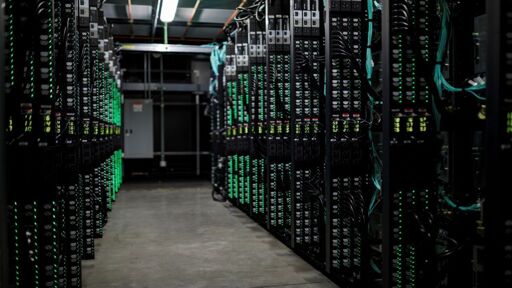
Panasonic has said demand for backup batteries is rising quickly, and it is largely driven by the expansion of AI infrastructure that requires stable, continuous power. It has already allocated around 80% of its planned output to existing customers, leaving only a limited share for new buyers attempting to scale systems.
This might not be the worst thing, if it results in better stationary batteries. Unfortunately they will probably just keep using lithium ion.
don’t most enterprise ups use lead acid?
Yes yes they do. In fact most UPS’s from small desk ones all the way up all used lead acid not lithium ion. Lithium ion batteries are far more expensive.
We use rack mounted LiFePO for some of our network nodes that don’t have local facility provided UPS. But I do notice Lead Acid often as I visit various small datacenters. My guess would be that Lithium is still more niche
Yup. My old job had liebert (now vertiv) UPSs for our data center and those suckers were essentially just thousands of pounds of lead acid batteries stacked in a metal chassis