

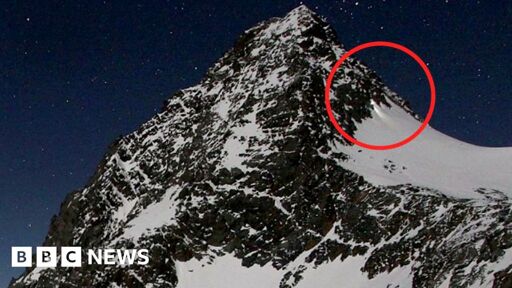
More than a year after a 33-year-old woman froze to death on Austria’s highest mountain, her boyfriend goes on trial on Thursday accused of gross negligent manslaughter.
Kerstin G died of hypothermia on a mountain climbing trip to the Grossglockner that went horribly wrong. Her boyfriend is accused of leaving her unprotected and exhausted close to the summit in stormy conditions in the early hours of 19 January 2025, while he went to get help.
The trial has sparked interest and debate, not just in Austria but in mountain climbing communities far beyond its borders.
If they can’t be helped without putting yourself at risk of drowning too, then yes. For instance, if someone is panicking and thrashing around, posing a threat to rescue, then they yes, you leave them to die or risk dying as well. This is an uncomfortable reality of being in dangerous situations.
Yeah one of the things you learn in lifeguard class is that it’s a wrestling match against the person you’re trying to rescue if they aren’t compliant (many aren’t and you can’t assume they will be).
Sure, but you’re taking me out of context.
The comment I replied to is basically saying that if it’s a risky endeavor then if things go wrong you just say “oh well you knew the risks” and leave.
As an aside, I’m Australian, I have a surf life-saving accreditation (very common here), I’m well aware of the dangers of a water rescue.
My point is, it’s not a question of whether the person in need of rescue knew the risks, rather a question of the risks to the rescuer. As I said in my comment it’s not clear what the risks to the guy really were. It does seem that, had the couple been appropriately provisioned, the risks to him would’ve been minimal.